
Nerve & Muscle Problems
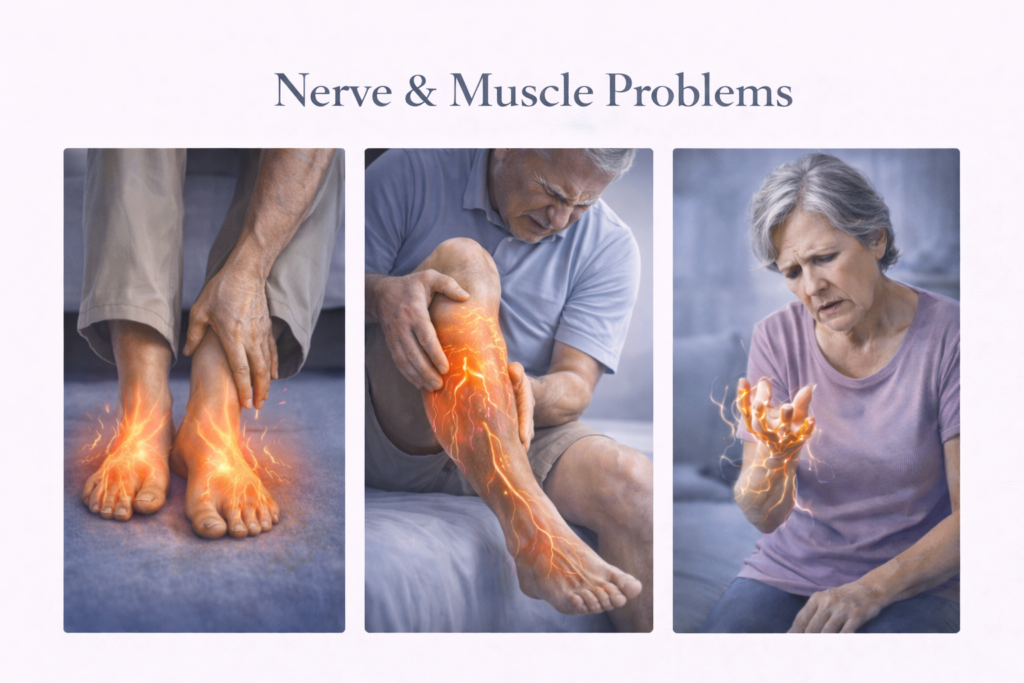
All You Need To Know About Nerve & Muscle Problems
Nerve and muscle disorders can cause symptoms such as weakness, numbness, tingling, burning pain, muscle cramps, or difficulty with coordination. These problems may arise from conditions affecting peripheral nerves, muscles, or the connection between nerves and muscles. Diabetes, vitamin deficiencies, autoimmune diseases, infections, and hereditary conditions are some possible causes.
Accurate diagnosis begins with a detailed neurological examination and may include specialized tests like nerve conduction studies, electromyography (EMG), blood tests, and imaging. Identifying the underlying cause is crucial because many nerve and muscle conditions are treatable or manageable when addressed early.
Treatment may involve medications, physiotherapy, nutritional correction, or immune-modulating therapies depending on the diagnosis. Early intervention can prevent progression, reduce discomfort, and improve strength and mobility. The goal is to restore function, reduce symptoms, and help patients maintain independence in their daily activities.
You should seek medical advice if you experience persistent numbness, tingling, weakness, burning pain, muscle cramps, or difficulty with coordination and daily activities.
Common nerve disorders include peripheral neuropathy, nerve compression (such as carpal tunnel syndrome), radiculopathy (nerve root compression), and diabetic neuropathy.
Muscle-related conditions may include myopathy, muscular dystrophy, inflammatory muscle diseases, and muscle weakness due to metabolic or neurological causes.
Diagnosis may involve a detailed clinical evaluation, nerve conduction studies (NCS), electromyography (EMG), blood tests, and imaging studies when required.
Some nerve conditions can improve with early treatment and management of the underlying cause, while others may require long-term symptom control and rehabilitation.
Not always. Muscle weakness can result from simple causes like vitamin deficiencies, but it may also indicate neurological or systemic conditions that require proper evaluation.
Treatment depends on the cause and may include medications, physiotherapy, nutritional correction, lifestyle modifications, and targeted neurological care.
Yes. Long-standing or uncontrolled diabetes can lead to diabetic neuropathy, which causes numbness, pain, or burning sensations, especially in the feet.