
Sleep Disorders
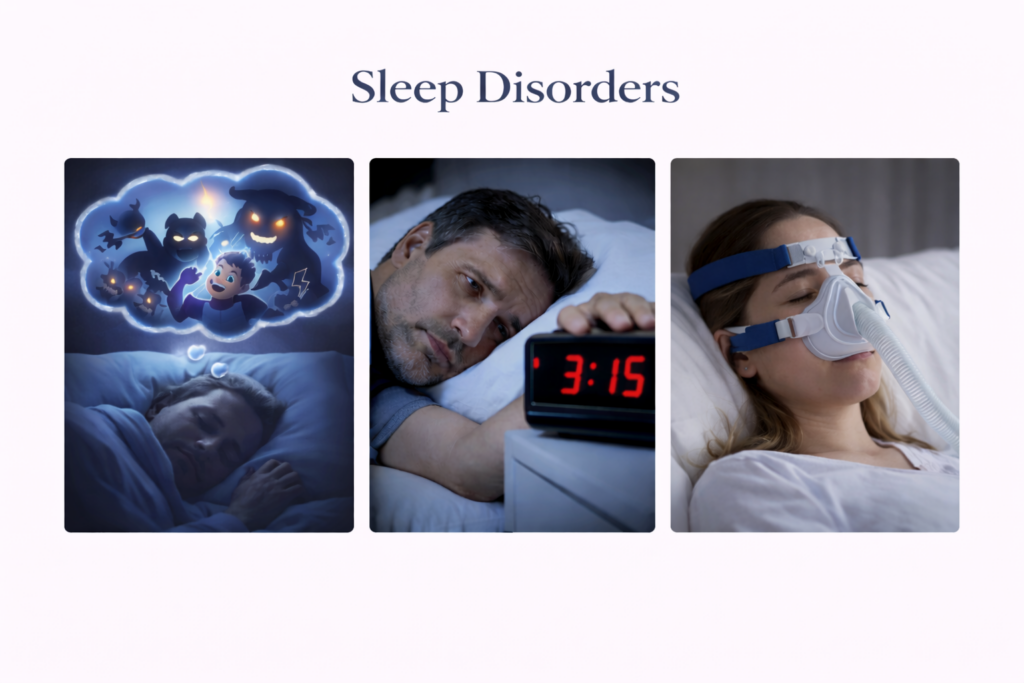
All You Need To Know About Sleep Disorders
Sleep is essential for brain health, memory, mood, and overall well-being. Neurological sleep disorders can lead to excessive daytime sleepiness, difficulty falling or staying asleep, abnormal movements during sleep, or unusual behaviors such as sleepwalking.
Conditions like insomnia, restless legs syndrome, narcolepsy, and sleep-related breathing disorders often have neurological components. Poor sleep can also worsen headaches, seizures, memory problems, and mood disorders. A detailed sleep history, and sometimes a sleep study, helps identify the root cause.
Treatment may include lifestyle changes, sleep hygiene techniques, medications, or device-based therapies depending on the condition. Improving sleep often leads to better concentration, emotional balance, and physical health. Addressing sleep problems is an important step toward overall neurological wellness and improved quality of life.
You should seek medical evaluation if you have persistent insomnia, excessive daytime sleepiness, loud snoring with breathing pauses, frequent awakenings, or sleep disturbances affecting daily functioning.
Common sleep disorders include insomnia, obstructive sleep apnea, restless legs syndrome, narcolepsy, parasomnias (abnormal sleep behaviors), and circadian rhythm disturbances.
Yes. Chronic sleep deprivation can impact memory, concentration, mood, and overall cognitive performance. Long-term sleep issues may also increase the risk of certain neurological conditions.
Diagnosis involves detailed clinical history, sleep pattern assessment, and in some cases, specialized tests such as a sleep study (polysomnography).
Obstructive sleep apnea is a condition where breathing repeatedly stops during sleep due to airway blockage. If untreated, it may increase the risk of hypertension, heart disease, and stroke.
Yes. Treatment depends on the cause and may include lifestyle changes, behavioral therapy, medications, CPAP therapy for sleep apnea, or management of underlying medical conditions.
Not always. While stress is a common cause, insomnia may also result from medical conditions, medications, anxiety, depression, or irregular sleep habits.
Maintaining a regular sleep schedule, limiting screen time before bed, avoiding caffeine late in the day, creating a calm sleep environment, and following medical advice can improve sleep quality.